Search Results for guide to geyser installation

MDEE Author
Mar 09, 2026
The Complete South African Homeowner’s Guide to Geyser Installation and Energy Savings
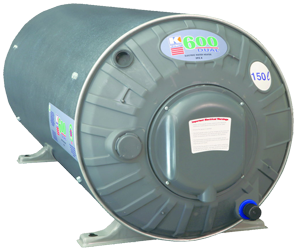
Your geyser is responsible for roughly 35 to 50 percent of your home’s total electricity consumption. In a country where Eskom tariffs have increased by an average of 12 to 15 percent per year over the past decade, that is a very large number to get right. Yet most South African homeowners have almost no relationship with their geyser: it lives in the ceiling, it (usually) delivers hot water, and they only think about it when it leaks, bursts, or stops working. This guide covers everything you need to know about geysers in South Africa: the different types available, the legal requirements around installation, how to cut your geyser-related electricity bill significantly, and what a correct, compliant installation actually looks like. Types of Geysers Available in South Africa Standard Electric Storage Geysers The most common type in South African homes. A tank of water (typically 100 to 200 litres) is heated by an electrical element and maintained at temperature by a thermostat, usually set to 60 degrees Celsius. They are inexpensive to purchase and install, but expensive to run because they reheat water around the clock to maintain temperature. Heat Pump Water Heaters A heat pump works like a reverse air conditioner: it extracts heat energy from the surrounding air and transfers it into the water in a storage tank. For every 1 kWh of electricity consumed, a good heat pump can deliver 3 to 4 kWh of heating energy. This means running costs of 60 to 75 percent less than a standard element. They are more expensive upfront (R12 000 to R25 000 installed) but deliver outstanding payback periods, often under three years at current electricity prices. Solar Water Heaters A solar collector on your roof heats a glycol fluid that circulates to a storage tank. On sunny days (which South Africa has in abundance) you effectively get free hot water. A backup electric element handles cloudy days and high-demand periods. Like heat pumps, the capital cost is higher but the long-term savings are excellent. Instantaneous (Tankless) Water Heaters These units heat water on demand rather than storing it. They are compact, never run out of hot water, and have zero standby losses. However, they draw very high instantaneous power (typically 18 to 24 kW for a whole-house unit) which requires a correctly sized incoming supply and dedicated circuit wiring. What the Law Says About Geyser Installation in South Africa SANS 10254 is the South African standard that governs the installation of hot water systems. It requires that all geyser installations include a correctly rated pressure-control valve, a vacuum-breaker valve (to prevent back-siphoning), a drip tray with drain pipe installed below the unit, a safety thermostat cut-out, a temperature and pressure (T&P) relief valve piped to a safe discharge point, and a geyser blanket (or insulated enclosure) to reduce standby heat loss. The installation must be carried out by a registered plumber (for the plumbing connections) and a registered electrician (for the electrical supply). On completion, a Certificate of Compliance must be issued. If you sell your home, a new CoC will be required for the electrical installation — and a geyser installed without compliance will flag immediately during a pre-sale inspection. Why the Thermostat Temperature Setting Matters Most geysers in South Africa are set to 70 or even 75 degrees Celsius by the installer. This is unnecessarily high, costs more to maintain, and increases wear on the element and thermostat. The ideal setting is 60 degrees — hot enough to inhibit the growth of Legionella bacteria while dramatically reducing energy consumption. Dropping from 70 to 60 degrees can save between R150 and R400 per month depending on your geyser size and usage patterns. Smart Geyser Timers: Simple Savings A geyser timer is one of the most cost-effective electrical upgrades available to South African homeowners. By programming your geyser to heat only during off-peak hours (typically overnight from midnight to 6 am, when Eskom tariffs on time-of-use rates are significantly lower) and to switch off during peak periods, you can reduce your geyser running costs by 20 to 40 percent with a device that costs less than R1 500 installed. For even better results, a smart geyser controller — which monitors actual tank temperature and learns your household’s usage patterns — can optimise heating cycles to minimise wasted energy further. One of our clients in Sandton had a 200-litre geyser set to 72 degrees running 24 hours a day. After we installed a heat pump and a timer, their monthly electricity bill dropped by over R1 400. The heat pump paid for itself in under 28 months. What Happens When a Geyser Bursts? A burst geyser is one of the most expensive household emergencies in South Africa. The tank fails, typically at the anode point or at a corroded weld, releasing 100 to 200 litres of near-boiling water into your ceiling. The damage from water, steam, and subsequent mould can easily run to R50 000 or more. Most standard home insurance policies cover burst geysers, but they will ask whether the installation was compliant and whether regular maintenance was carried out. Preventive action is far cheaper: have your geyser inspected every two years, replace the sacrificial anode every four to five years, and ensure the pressure control valve is working correctly. MDEE Electrical can include a geyser condition check as part of a broader electrical maintenance visit. Ready to cut your electricity bill or install a new geyser? Call MDEE Electrical on +27 76 440 0883 for a free assessment and quote.
Guide to Geyser Installation