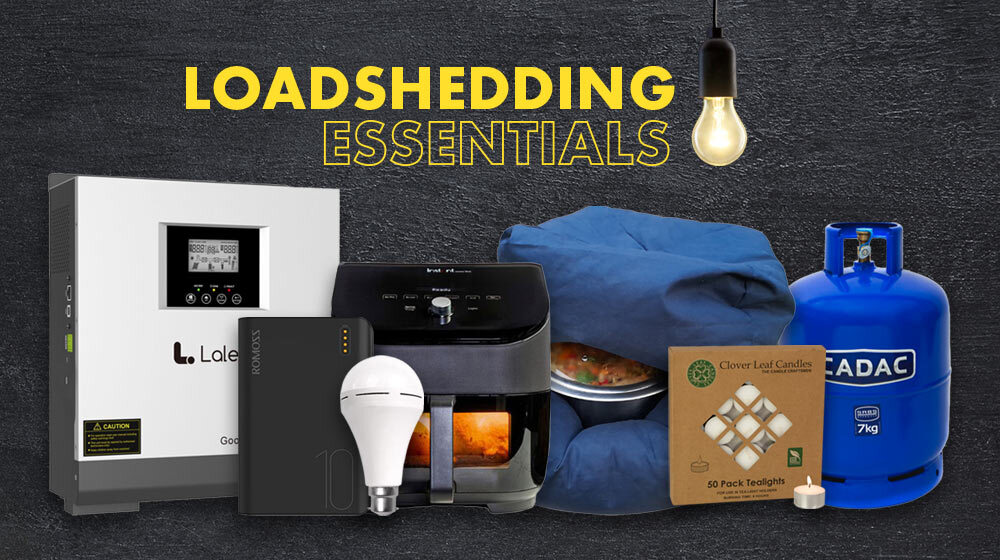
Load shedding has fundamentally changed how South Africans think about electricity. What began as an occasional inconvenience has become a permanent fixture of life in this country, and the question is no longer whether to invest in backup power but which solution makes the most sense for your specific home, budget, and daily needs.
At MDEE Electrical, we have helped hundreds of homeowners across Gauteng design and install backup power systems. We have seen every combination of technology, budget, and requirement imaginable. This guide gives you an honest, practical overview of your options — without the marketing spin.
Option 1: The Generator — Tried, Trusted, and Still Relevant
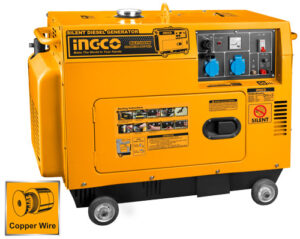
A petrol or diesel generator is still the most affordable entry point into backup power. For R5 000 to R20 000 you can get a generator that will run your lights, television, fridge, and a few plug points through any stage of load shedding. The disadvantages are well known: noise, fumes, fuel cost and availability, maintenance requirements, the need to start it manually (or install an automatic transfer switch), and the fact that it contributes nothing to your electricity bill the rest of the time.
Generators remain the best solution for rural properties, areas with very long outages, or situations where you need very high power output (such as running a borehole pump or workshop equipment) for which batteries would be impractically expensive.
Option 2: The Inverter and Battery System — The Most Popular Choice
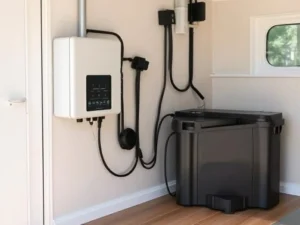
An inverter/battery system — often called a UPS (uninterruptible power supply) system in the residential context — charges a battery bank from the grid when power is available and automatically supplies power from the battery when it is not. The transition is seamless and silent, typically within 20 milliseconds, so clocks do not reset and alarms do not sound.
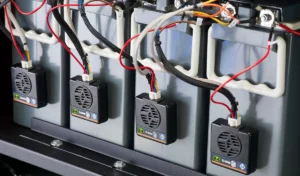
The most common residential configuration in South Africa uses a 3 kVA to 8 kVA inverter paired with one or more lithium iron phosphate (LiFePO4) battery modules of 5 kWh to 15 kWh capacity. A well-designed system can run essential loads — lights, TV, WiFi router, phone chargers, fridge, and a basic entertainment setup — through a two-hour load shedding stage with capacity to spare.
What to Run and What Not to Run
The most important rule with any inverter system: do not try to run resistive heating elements from it. Your geyser, oven, kettle, toaster, iron, and space heaters all draw enormous current relative to the actual energy they deliver. Attempting to run even a small 2 000-watt kettle from a battery system will drain a typical residential battery in under 10 minutes. These appliances should always remain on dedicated circuits that the inverter does not supply.
Option 3: Grid-Tied Solar Without Batteries
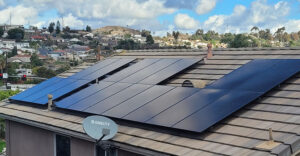
A grid-tied solar installation generates electricity from photovoltaic panels during daylight hours and exports any surplus back to the grid (where the municipality allows it) or simply offsets your Eskom consumption. Without batteries, the system automatically shuts down during load shedding as a safety requirement — it cannot continue to generate while the grid is down because this would endanger line workers. However, during the day when both the grid and solar are available, you can dramatically reduce your electricity consumption and bill.
For a home that is occupied during the day, a grid-tied system without batteries can offset 50 to 80 percent of daytime electricity consumption, with payback periods of 4 to 7 years at current panel prices and tariff levels.
Option 4: Hybrid Solar with Battery Storage — The Complete Solution
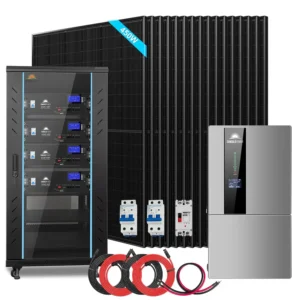
A hybrid solar system combines solar generation, battery storage, and grid connectivity into a single intelligent system. During the day, solar panels charge the batteries and power the home simultaneously. At night or during load shedding, stored energy powers the home. Any surplus solar generation beyond what the batteries and home can absorb is exported to the grid or simply curtailed.
This is the premium solution and the one MDEE Electrical recommends for homeowners who want both energy independence and the lowest possible electricity bills. A properly sized 5 kW to 10 kW hybrid system in Gauteng can typically cover 70 to 90 percent of a household’s annual electricity consumption, eliminate virtually all load shedding inconvenience, and pay itself off in 4 to 8 years depending on installation cost and consumption profile.
How MDEE Electrical Designs a Backup Power System
We begin every backup power consultation with a review of your last three to six months of electricity bills — this gives us your actual consumption profile. We then discuss which loads are essential during outages, what your budget is, and whether you are interested in solar generation in addition to backup. From this we produce a system design with specific equipment recommendations, sizing calculations, and a cost-benefit analysis that shows your projected payback period at today’s Eskom tariffs and expected tariff escalation.
Honest reality check: There is no backup power system that makes financial sense if it is sized to run a geyser, oven, and air conditioner through load shedding. Size your system for essential loads, manage your high-consumption appliances intelligently, and your return on investment will be excellent.
Book a free backup power consultation with MDEE Electrical — call +27 76 440 0883 or WhatsApp us today.