Every business in South Africa that uses portable electrical equipment — and that means virtually every business — has a legal obligation to ensure that equipment is safe to use. Test and Tag is the process by which a registered electrician visually inspects, electrically tests, and labels each piece of portable electrical equipment (PEE) to confirm that it is safe. If it is not, it is removed from service.
MDEE Electrical provides Test and Tag services to businesses across Gauteng, from small offices with a handful of computers and extension cords to large factories with hundreds of portable tools and appliances. Here is everything you need to know.
What Is Portable Electrical Equipment?

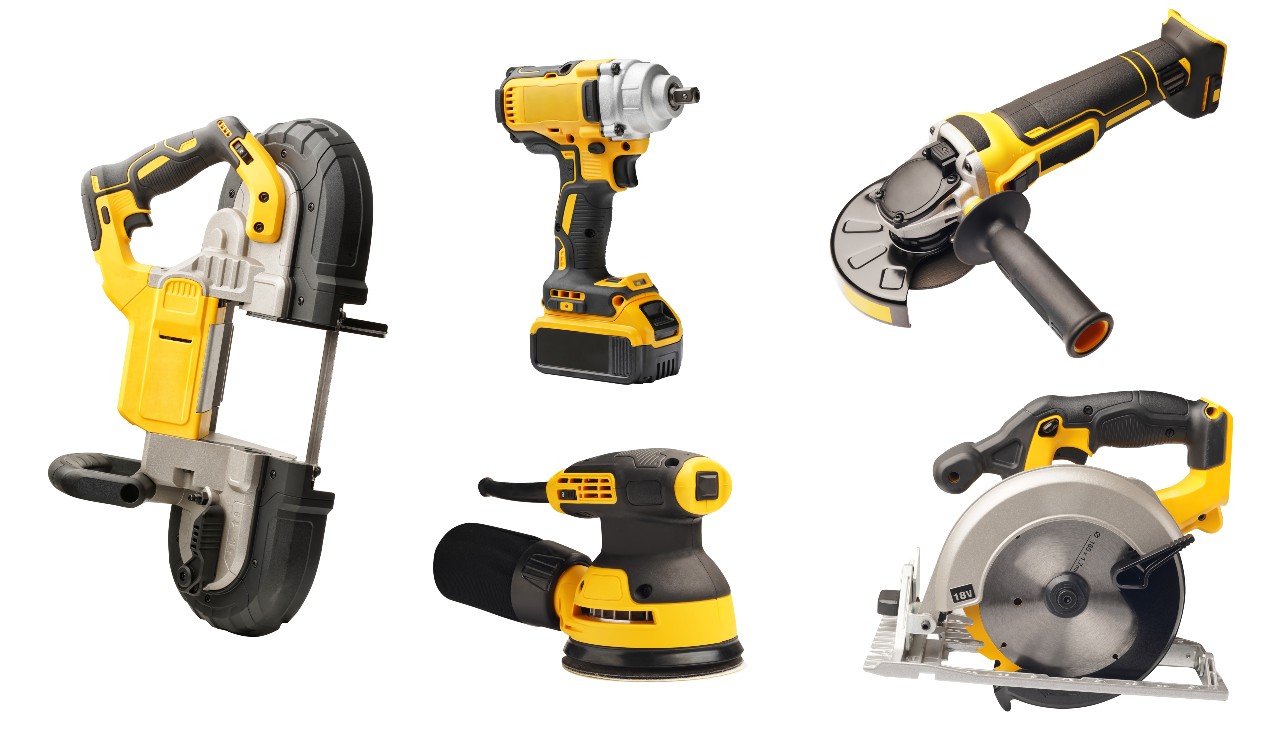
Portable electrical equipment is any electrical appliance or tool that is connected to the mains supply via a plug and is designed to be moved or is capable of being moved. This includes: power tools (drills, grinders, circular saws), extension cords and multi-plugs, desktop computers and monitors, kettles, microwaves, and refrigerators in office kitchens, portable space heaters, test equipment, battery chargers, and floor cleaning machines.
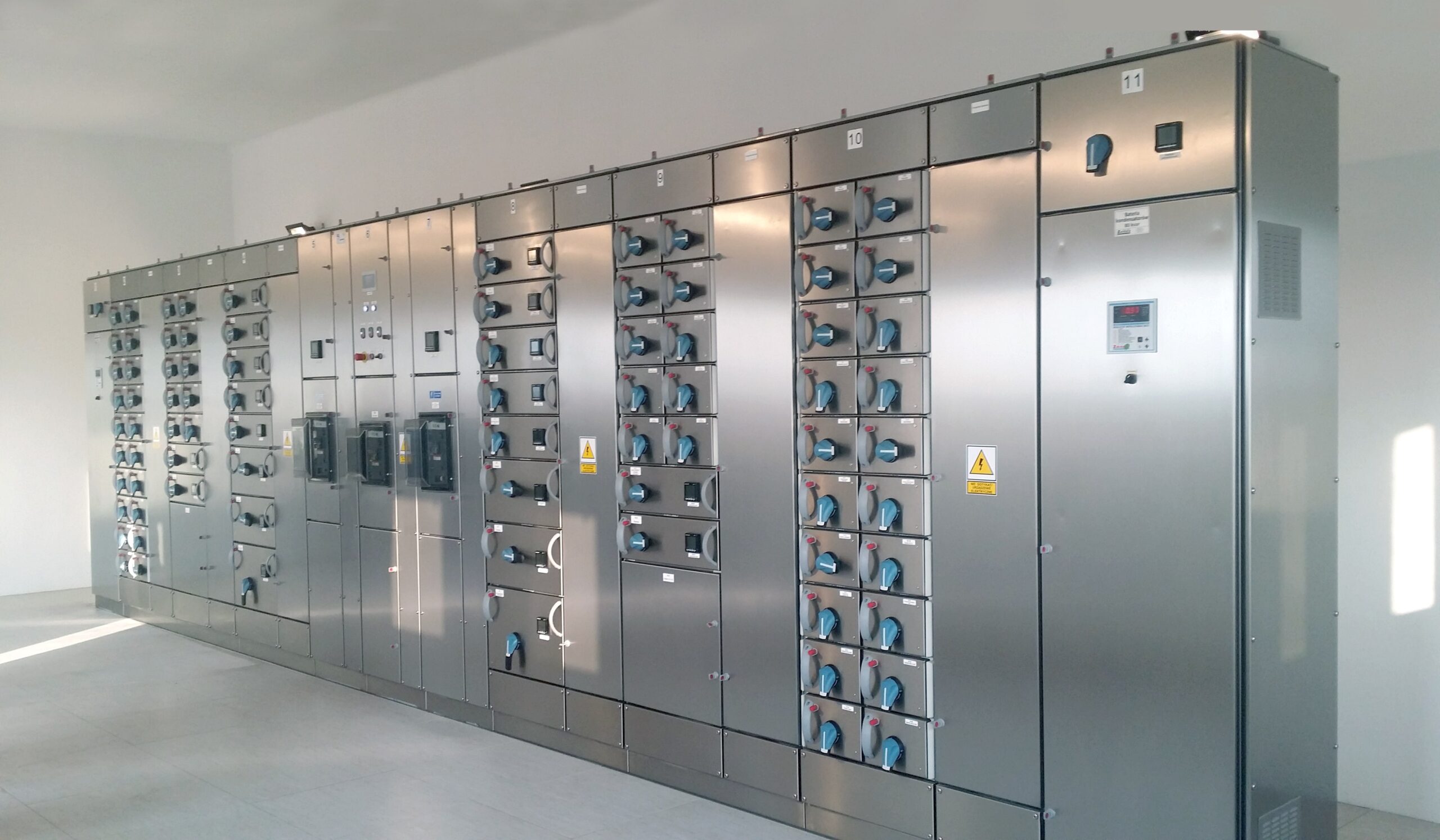
It does not include permanently wired equipment like distribution boards, fixed lighting fittings, or hardwired industrial machinery — these fall under a different inspection regime.
The Legal Framework
The Occupational Health and Safety Act 85 of 1993 and the Electrical Machinery Regulations require employers to ensure that all electrical equipment used in the workplace is in a safe condition. The SANS 10142-1 standard and OEM guidelines provide the framework for what constitutes a safe condition for portable equipment. While South Africa does not have a single statute that specifies precise test intervals in the way that some other countries do, the general duty of care under OHSA means that employers who do not carry out regular inspection and testing of PEE are exposed to significant liability if an incident occurs.
What Does the Test and Tag Process Involve?
Visual Inspection
Before any electrical testing, a thorough visual inspection is carried out. This checks for damage to the power cord (cuts, abrasions, kinking, pinching), condition of the plug (cracked housing, loose pins, burnt contacts), condition of the equipment housing (cracks, missing screws, evidence of overheating), and correct strain relief at the plug and appliance end.
Electrical Testing
Using a PAT (Portable Appliance Tester), the technician performs earth continuity testing (confirming that exposed metal parts are correctly connected to earth), insulation resistance testing (confirming that live parts are properly insulated and not leaking current to earth), and in some cases operational tests under load. Equipment that passes is tagged with a durable label showing the test date, next test date, and the testing technician’s details.
Fail and Remove
Equipment that fails either the visual or electrical tests is tagged with a red FAILED tag and removed from service immediately. The business is notified of the failure and the reason, and the equipment must either be repaired and retested by a competent person or discarded.
How Often Should Test and Tag Be Carried Out?
The testing interval depends on the type of equipment and the environment in which it is used. In a construction site or workshop where tools are subject to heavy use and physical abuse, three-monthly testing of power tools is appropriate. In a standard office environment, annual or biannual testing of fixed-position equipment such as computers and desk fans may be sufficient. A risk-based approach, documented in the company’s electrical safety management plan, is the recommended method.
MDEE Electrical offers professional Test and Tag services for businesses of all sizes. Call +27 76 440 0883 to schedule your inspection.