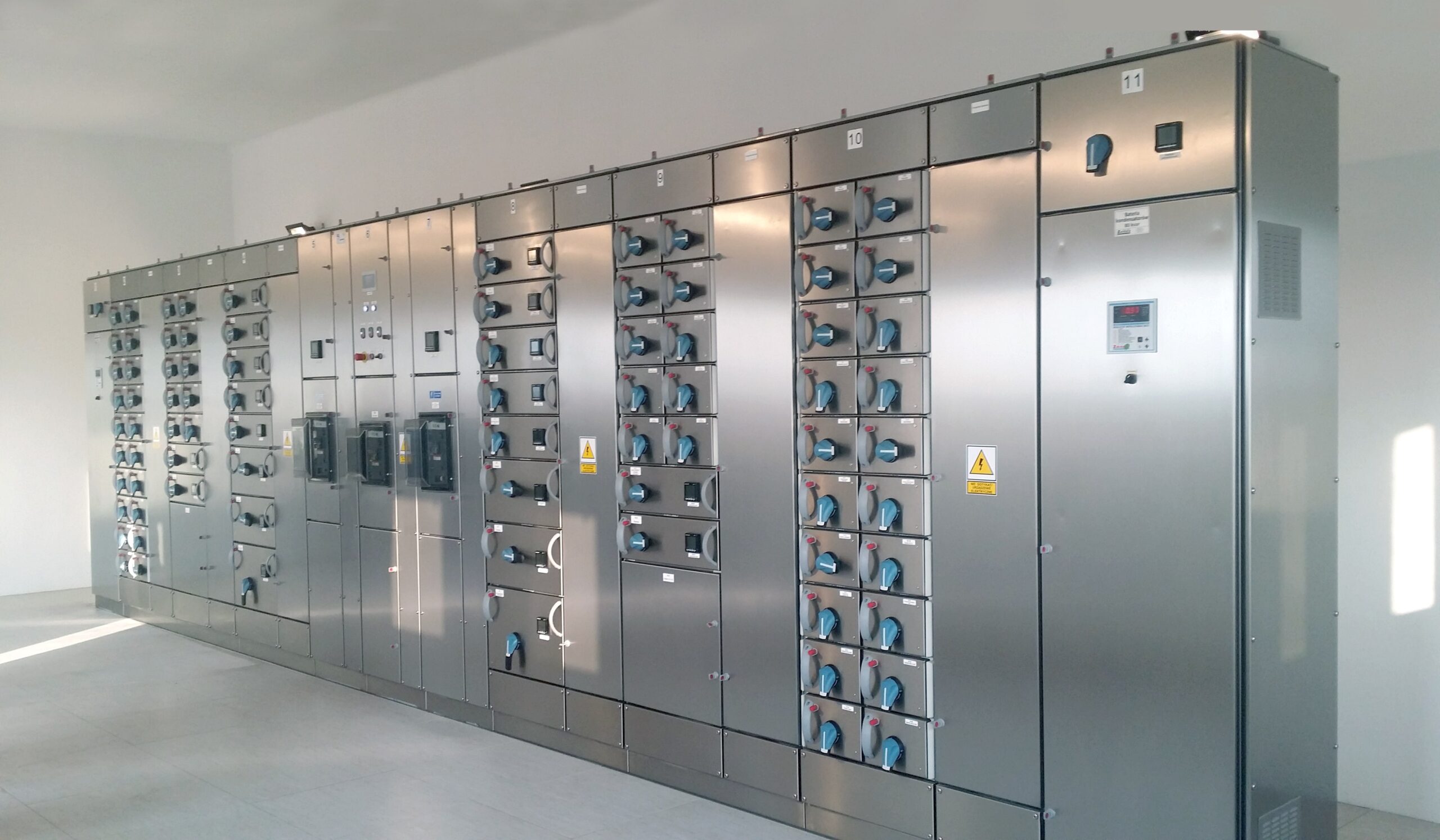
In a country where load shedding has become part of daily vocabulary and electricity tariffs continue their relentless climb, South African homeowners are facing unprecedented challenges in keeping their homes powered safely and affordably. At our company, working alongside trusted partners like Tsalach Construction, we’ve been at the forefront of delivering electrical solutions that don’t just meet today’s demands—they anticipate tomorrow’s challenges. Our recent projects stands as a testament to what modern house wiring should be: safe, efficient, and ready for whatever Eskom throws our way.
The New Reality of South African Home Electrification
Let’s be honest—the South African electrical landscape has changed dramatically over the past decade. Gone are the days when we could rely on consistent, affordable grid power. Today’s homeowners need electrical systems that can handle not just everyday appliances, but also inverters, battery banks, solar panels, and the constant switching between grid power and backup systems that has become our reality.
During our works, we don’t just install wiring—we creates an electrical infrastructure designed for South Africa’s unique challenges. Every circuit is planned with load shedding in mind. Every connection is made to withstand the voltage fluctuations that plague our grid. Every safety device is chosen to protect families in a country where electrical fires claim lives every year.
The truth is, proper house wiring has never been more critical. With Eskom’s tariff increases averaging 12-15% annually over the past few years, and load shedding affecting productivity and quality of life, your home’s electrical system needs to work harder and smarter than ever before.
Building for Load Shedding Resilience
One of the biggest shifts in residential electrical design is accommodating backup power systems. Whether it’s a simple inverter with a few batteries or a comprehensive solar setup, South African homes increasingly need to switch seamlessly between grid and backup power.
We implemente what we call “load shedding-ready” wiring. This means dedicated circuits for essential loads—your fridge, a few lights, WiFi router, and security system—that can easily connect to backup power without rewiring your entire home. We install changeover switches and proper earthing systems that work with both grid and inverter power.
Essential vs. Non-Essential Circuits: We design homes with clear separation between essential circuits (those you need during load shedding) and non-essential ones (like geysers, pool pumps, or air conditioners). This allows homeowners to run backup systems efficiently without draining batteries on high-consumption appliances.
Inverter-Compatible Infrastructure: Modern inverters are sophisticated pieces of equipment, but they need proper electrical support. We install dedicated circuits with appropriate cable sizing for inverter connections, proper earthing to prevent nuisance tripping, and surge protection to guard against the power surges that occur when grid power returns after load shedding.
Future Solar Integration: Even if you’re not installing solar panels today, smart wiring design makes future installation dramatically easier and cheaper. We run additional conduits from potential panel locations, reserve space in distribution boards for solar equipment, and design circuit layouts that make solar integration straightforward.
Certificate of Compliance: Your Safety Guarantee
In South Africa, every electrical installation must be accompanied by a Certificate of Compliance (CoC) issued by a registered electrician. This isn’t just bureaucratic red tape—it’s your guarantee that work meets SANS 10142-1 standards and won’t endanger your family or invalidate your home insurance.
Unfortunately, we’ve seen too many homeowners who saved a few rand by using unregistered electricians, only to face massive costs later when they need a CoC for property sales or insurance claims. During our projects, we ensures that every aspect of the installation met compliance standards, providing proper documentation and testing certificates for the entire system.
What CoC Covers: A proper Certificate of Compliance verifies that your electrical installation is safe, that all materials meet SANS standards, that earthing and bonding are correct, that circuit protection is appropriate, and that the installation poses no fire or shock hazards.
The Cost of Non-Compliance: Beyond legal requirements, non-compliant electrical work puts your family at risk. Faulty wiring causes hundreds of house fires annually in South Africa. Inadequate earthing can result in fatal electrical shocks. Overloaded circuits stress your entire system, leading to expensive failures at the worst possible times.
Taking next step.
Don’t gamble with your family’s safety or your property’s value. Contact us today for a consultation, and let’s discuss how we can create an electrical infrastructure that serves you safely and reliably through load shedding, power surges, and whatever else South Africa’s grid throws your way. Because when it comes to the wires behind your walls, quality isn’t expensive—it’s essential.